Get Wall Ivy Removal in Burlington County, NJ
Wall ivy removal services in Burlington County, NJ, help property owners eliminate invasive ivy from walls, preventing damage and restoring the appearance of homes and commercial buildings.
Property owners in Burlington County, NJ, who notice excessive growth of wall ivy on their buildings may find it beneficial to explore professional removal options. Overgrown ivy can sometimes cause damage to siding, brickwork, or other exterior surfaces, leading to potential costly repairs if left unaddressed. Additionally, removing wall ivy can improve the overall appearance of a property, making it look well-maintained and inviting. For those considering a project to enhance their property's curb appeal or prevent structural issues, understanding the available local contractors who specialize in wall ivy removal can be an important step.
Comparing different service providers in the area can help property owners identify experienced local contractors capable of managing the job effectively. Whether the goal is to restore the exterior of a home or maintain the integrity of a commercial building, researching options ensures that the project aligns with specific needs and expectations. Keep reading to learn more about how local experts can assist with wall ivy removal and how to find the right professional for the work.
- Wall Ivy Removal - needed when ivy and climbing plants cause damage or block sunlight on exterior walls.
- Wall Ivy Removal - required if ivy growth is leading to moisture buildup and potential structural issues.
- Wall Ivy Removal - necessary when overgrown ivy is affecting the appearance of homes in neighborhoods across Burlington County, NJ.
- Wall Ivy Removal - sought after when homeowners notice plant roots infiltrating brick or siding materials.
- Wall Ivy Removal - advised if ivy is obstructing windows, gutters, or other critical exterior features.
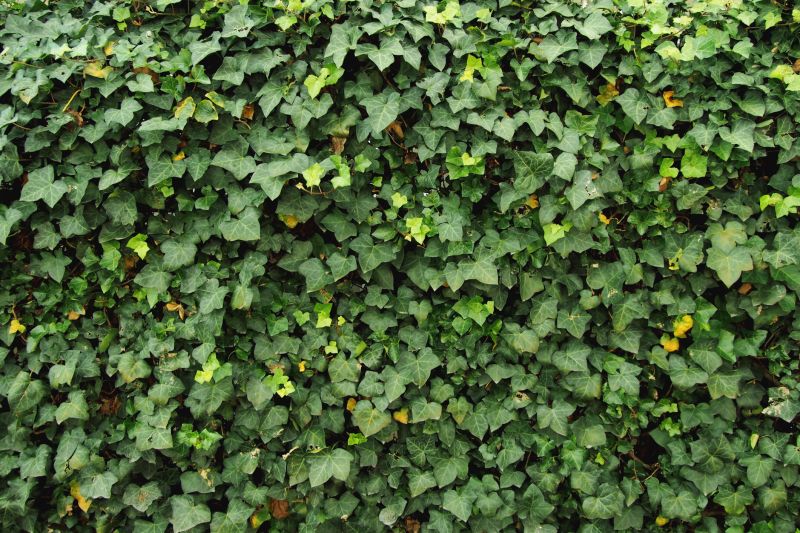
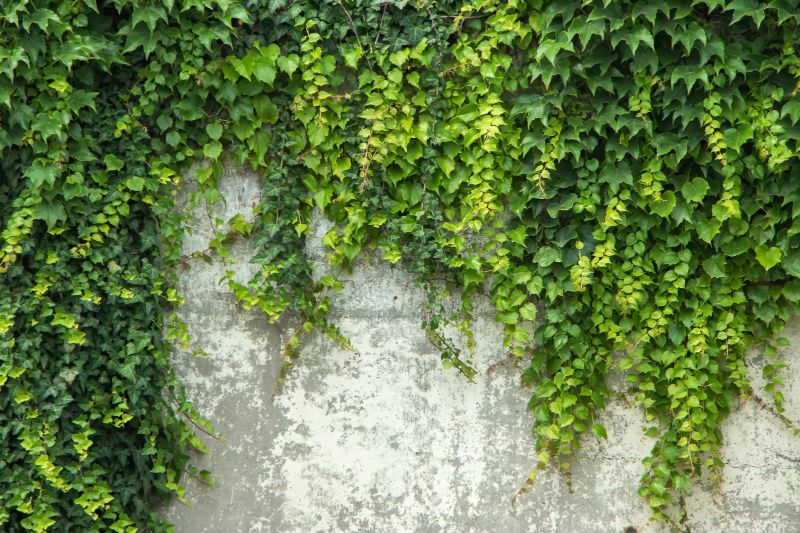
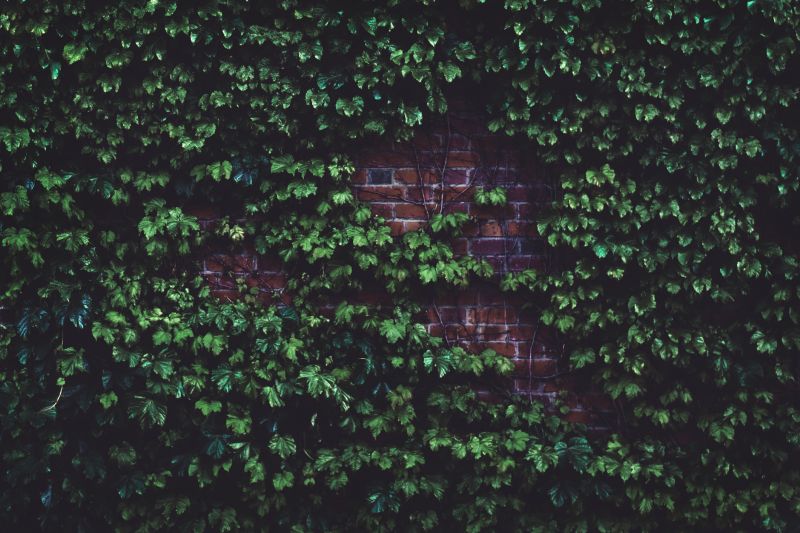
Wall ivy removal services focus on safely and effectively eliminating invasive plant growth from building exteriors. This process involves carefully detaching the ivy vines from the walls, windows, and other surfaces, often requiring specialized tools and techniques to prevent damage. Contractors may also clean and inspect the affected areas afterward to ensure the structure remains intact and looks well-maintained. This service helps homeowners restore the appearance of their property while preventing potential issues caused by unchecked ivy growth.
Uncontrolled wall ivy can lead to several problems for property owners. Over time, the dense plant material can trap moisture against the building’s exterior, increasing the risk of mold, rot, or structural damage. Ivy roots can penetrate cracks and crevices, worsening existing damage and making repairs more costly. Additionally, thick ivy growth can obscure windows, vents, and other important features, reducing curb appeal and potentially affecting property value. Removing the ivy when it becomes overgrown helps maintain the integrity and appearance of the home.
This service is commonly used on residential properties such as single-family homes, townhouses, and historic houses that feature exterior walls suitable for ivy growth. It is also frequently requested for multi-family buildings, commercial storefronts, and institutional properties where maintaining a neat, well-kept appearance is important. Properties with brick, stone, or wood siding are typical candidates, especially if the ivy has grown extensively or is causing damage. Homeowners often seek ivy removal when they notice signs of deterioration, excessive plant coverage, or when preparing for exterior repairs or renovations.
Homeowners may consider wall ivy removal services if they notice the plant’s growth becoming invasive or starting to cause damage. Signs include vines covering large portions of the walls, cracks or loosened mortar, or visible mold and rot. Removing ivy can also improve the overall look of a property, making it easier to perform routine maintenance or painting. Service providers can assess the extent of the growth and recommend appropriate removal methods, helping homeowners protect their investment and keep their property looking its best.
The overview below groups typical Wall Ivy Removal projects into broad ranges so you can see how smaller, mid-sized, and larger jobs often compare in Burlington County, NJ.
In many markets, a large share of routine jobs stays in the lower and middle ranges, while only a smaller percentage of projects moves into the highest bands when the work is more complex or site conditions are harder than average.
Smaller Wall Ivy Removals - For routine removal of ivy from small sections of walls or fences, local contractors typically charge between $250 and $600. Many jobs of this size fall within this range, depending on the extent of the ivy and wall accessibility.
Moderate Removal Projects - Larger, more involved ivy removal from entire walls or multiple surfaces generally costs between $600 and $1,500. These projects are common and often include some surface cleaning or minor repairs.
Extensive or Complex Jobs - Projects involving extensive ivy coverage, structural concerns, or hard-to-reach areas can range from $1,500 to $3,000. Fewer projects reach this tier, typically requiring specialized equipment or additional labor.
Full Wall Replacement or Major Repairs - Complete removal combined with wall restoration or replacement can exceed $3,000, with larger, more complex projects reaching $5,000 or more. Such jobs are less frequent and usually involve significant structural work or custom solutions.
Actual totals will depend on details like access to the work area, the scope of the project, and the materials selected, so use these as general starting points rather than exact figures.
Masonry Cleaning and Restoration - Professionals who perform masonry cleaning often have the skills to remove ivy and other plant growth from brick and stone surfaces effectively.
Exterior Wall Cleaning - Local contractors specializing in wall cleaning use similar tools and techniques to safely clear vegetation and buildup from building exteriors.
Gutter and Roof Debris Removal - Removing debris from gutters and roofs requires similar planning and access skills as ivy removal on building facades.
Building Surface Preparation - Surface prep work, such as power washing or surface clearing, aligns with the skills needed for ivy removal and surface cleaning.
Facade Repair and Maintenance - Repairing damaged facades often involves removing invasive growths like ivy before restoring the surface.
Landscaping and Exterior Property Care - Some landscaping projects include managing climbing plants and vines, requiring similar planning and vegetation control skills.
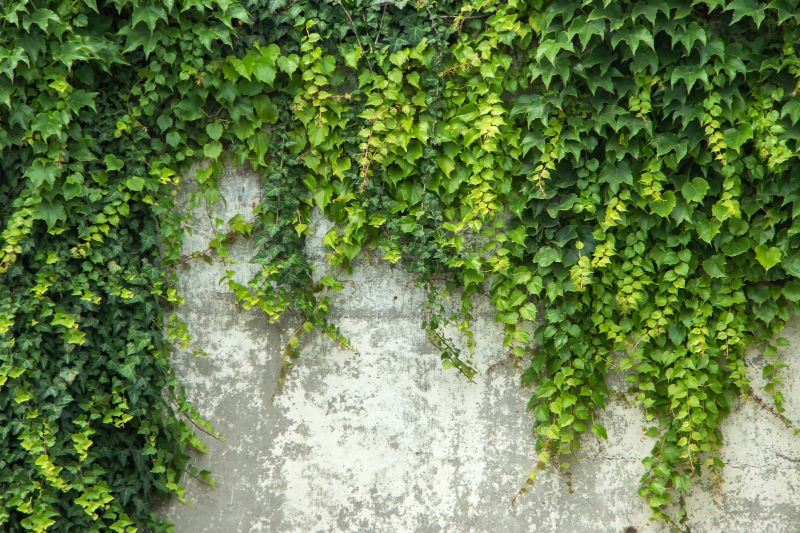
When comparing service providers for Wall Ivy Removal, it’s important to consider their experience with similar projects. Homeowners should look for local contractors who have a proven track record handling wall ivy or vine removal on homes similar in style and size. Asking about past projects or requesting examples of work can help gauge their familiarity with the specific challenges involved. An experienced professional will understand the best techniques to safely and effectively remove ivy without damaging the underlying structure, ensuring the job is completed properly the first time.
Clear and detailed written expectations are essential when evaluating potential service providers. Homeowners should seek out contractors who can provide a thorough description of the scope of work, including the methods they plan to use and any necessary preparations or follow-up. Having these expectations documented helps prevent misunderstandings and ensures everyone is aligned on what the project entails. A reputable local contractor will be transparent about their process and willing to answer questions or clarify any aspects of the work before it begins.
Good communication and reputable references are key indicators of a reliable service provider. Homeowners should look for local pros who are responsive and willing to engage in open dialogue about the project. Requesting references or reviews from past clients can offer insights into the contractor’s professionalism, reliability, and quality of work. Connecting with previous customers can help verify that the contractor consistently meets expectations and maintains clear communication throughout the project. Remember, the site provides guidance on local options, but it is the homeowner’s responsibility to select a trusted contractor capable of handling the job with expertise and integrity.
Property owners in Burlington County, NJ use Wall Ivy Removal services for practical projects around their homes and businesses. This guide focuses on everyday jobs and straightforward project options.
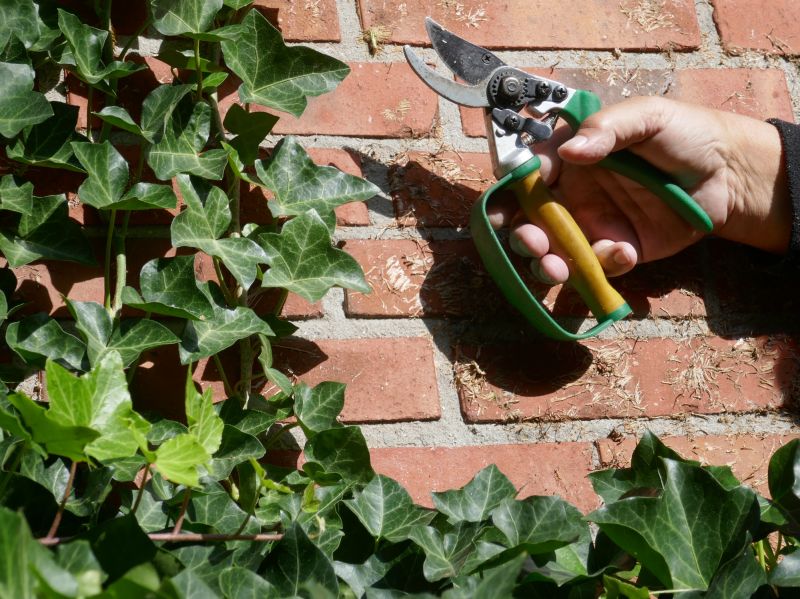
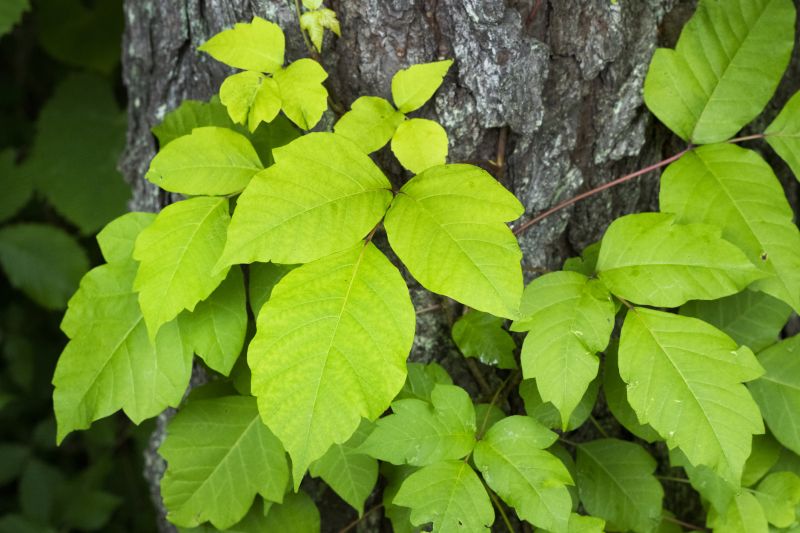
Wall ivy can quickly become an unwelcome sight on properties in Burlington County, NJ, especially when it begins to cover exterior walls or invade garden spaces. Homeowners and property managers often seek professional removal services to restore the appearance of their buildings and prevent potential damage caused by the plant’s growth. Local contractors are experienced in safely and effectively removing wall ivy, helping to maintain the property's curb appeal and structural integrity.
In addition to aesthetic concerns, property owners may notice that wall ivy is spreading into cracks or crevices, which can lead to long-term issues if left unchecked. Whether dealing with overgrown vines on a residential home or commercial building, local service providers can assist in clearing the plant and advising on preventive measures. Connecting with experienced contractors ensures the job is handled efficiently, keeping properties in Burlington County looking their best.
What are wall ivy removal services? Wall ivy removal services involve professionals safely removing invasive ivy growth from exterior walls, preventing damage and maintaining the appearance of a property.
Why should I hire local contractors for wall ivy removal? Local contractors are familiar with the area's building styles and conditions, ensuring effective removal that minimizes potential damage and suits local climate factors.
What methods do pros use to remove wall ivy? Service providers typically use manual removal techniques, tools to detach ivy, and may apply treatments to prevent regrowth, all tailored to the wall’s material and condition.
Are there any risks associated with removing wall ivy? Improper removal can cause damage to walls or underlying structures; hiring experienced local professionals helps reduce these risks through proper techniques.
How can I find qualified wall ivy removal service providers nearby? You can compare local contractors through trusted lead generation platforms that connect homeowners with experienced service providers in the area.
Improve curb appeal - Removing wall ivy can enhance the appearance of a home’s exterior, making it more inviting for visitors and passersby.
Prevent structural damage - Professional wall ivy removal helps protect walls and masonry from potential damage caused by plant roots and moisture retention.
Prepare for home improvement projects - Clearing ivy from walls can create a clean surface for painting, siding, or other renovations.
Maintain property value - Regularly removing wall ivy helps keep a property well-maintained and visually appealing for future buyers or tenants.
If you are thinking about Wall Ivy Removal for a property in Burlington County, NJ, this guide is meant to help you understand the work, the typical project types, and how different options might fit your plans.
When you are ready, you can use the quote form on this page to share a few details about your project. From there, local pros can review the basics and respond with options that match what you have in mind.